Online Hifz Program: Memorize the Quran 1:1 with a Qualified Teacher
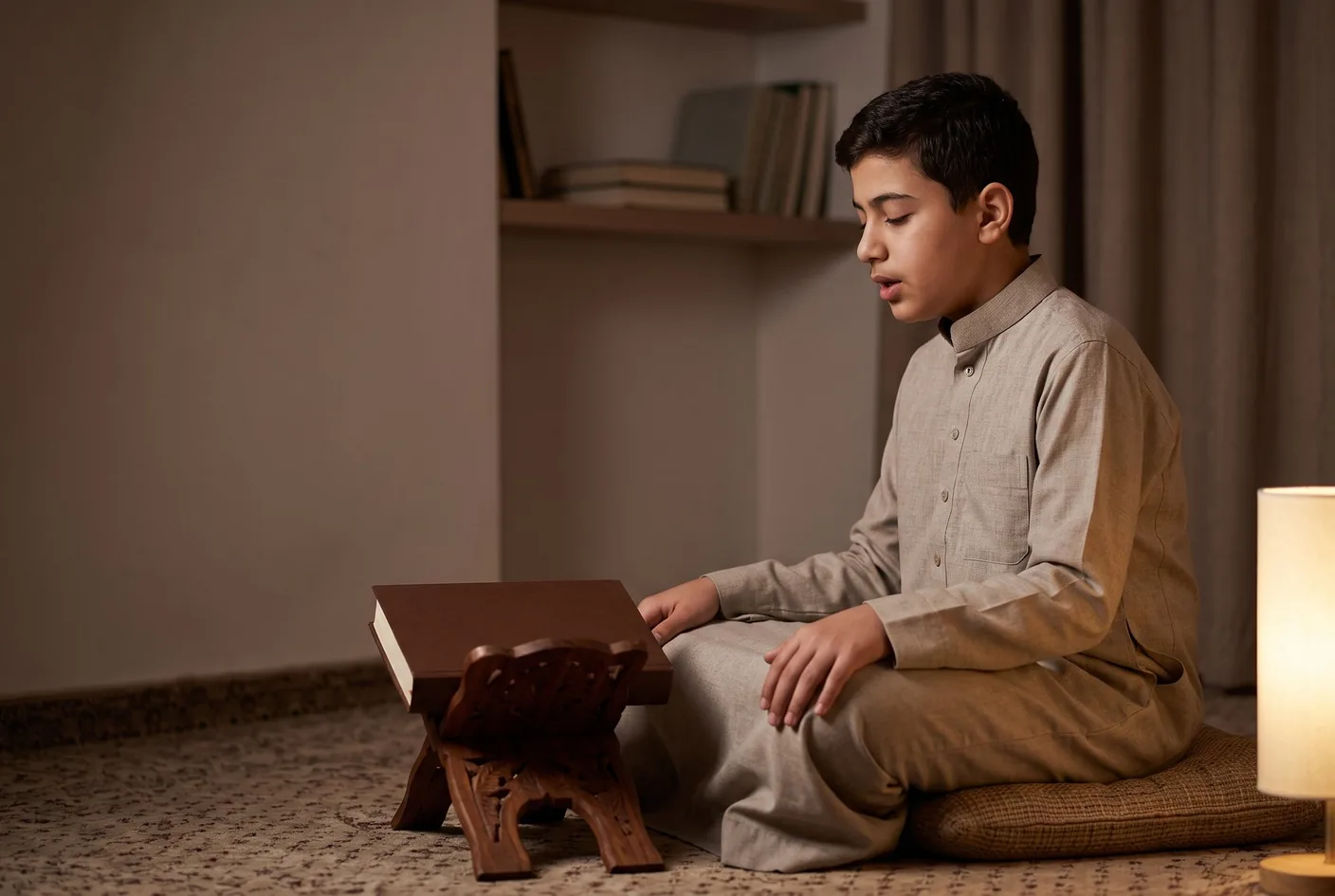
Memorizing the Quran is one of the most meaningful commitments a Muslim can make, and one of the easiest to abandon when you do it alone. Our Hifz program (our Quran Memorization Program, as many families call it) pairs you with a personal teacher for live, one-on-one classes, so every week has a plan, a pace, and someone who notices when you need to slow down.
Families have trusted Taqwa Foundation with this since 2009. More than 5,500 students have learned with us, and there are families in class every day of the week.
What our Hifz / Quran Memorization Program is
You meet your own hifz teacher live, one-on-one, on a schedule built around your timezone. Classes run on Zoom, Skype, Google Meet, or WhatsApp, whichever suits your home.
The program fits where you actually are. Some students memorize the last juz first. Some work through selected surahs. Some commit to the full Quran, with an ijazah pathway at the end. Children and adults both memorize with us, and your teacher adjusts the pace to the person, not the other way around.
How the program works, week by week
Every hifz class balances three parts. Your new lesson (sabaq) is the portion you memorize fresh. Your recent revision (sabaqi) keeps the last several days solid. Your long-term revision (manzil) cycles back through everything older, so earlier memorization never quietly fades. This three-part rhythm is the classical method of hifz, and it is why memorization with a teacher holds when memorization alone so often doesn’t.
Your first month: placement, pace, and routine
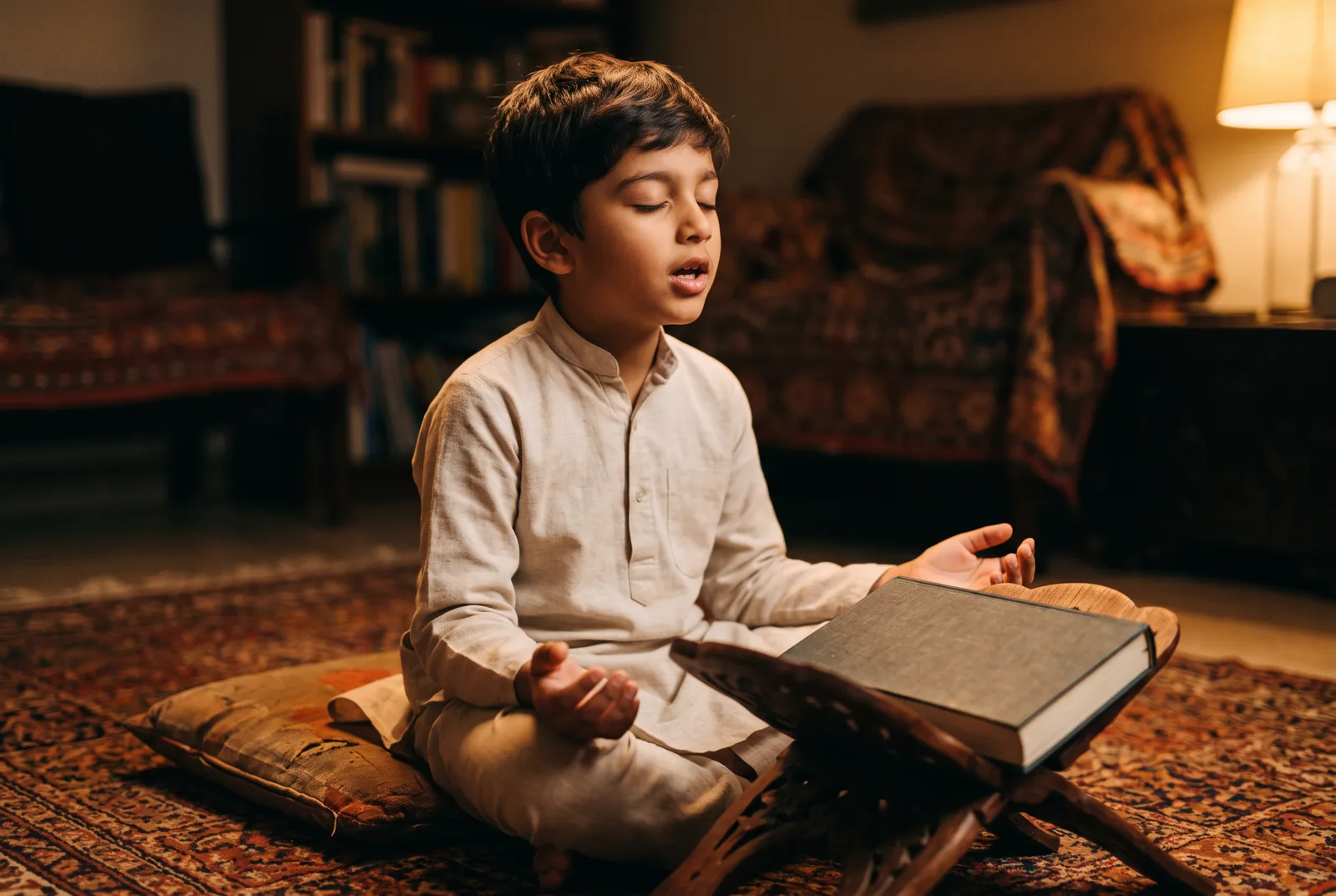
Your teacher starts by listening. In your trial classes they hear you recite, find your level, and set a weekly target you can genuinely keep. Nobody is asked to memorize a page a day in week one. The routine comes first; the speed follows.
Tracks that fit your goal
Last Juz (Juz Amma)
the short surahs, the natural starting point for children and for adults beginning again.
Selected Surahs
a chosen set, often for students who want meaningful memorization without a full-hifz commitment.
Full Quran
the complete memorization, moving at a steady, sustainable pace toward ijazah.
Part-time and weekend pacing
Most of our hifz students memorize alongside school or work. Evening and weekend slots exist for exactly that reason, including hifz classes for adults and hifz with female teachers for sisters. Part-time is not a lesser hifz. It is how most huffaz are actually made.
How long does it take to memorize the Quran?
An honest answer: it depends on the track and your weekly time, and any academy that promises a fixed date is guessing on your behalf. What we can tell you is what we see across our students. The last juz typically takes a matter of months at two to three classes a week. A student memorizing full time typically completes the Quran in one to three years, and age makes a real difference. Part-time takes longer. Intensive schedules shorten that; lighter ones stretch it. What matters more than the calendar is retention, which is why every class carries revision alongside new memorization. Your teacher will give you a realistic personal estimate after your first assessment, and you will always know which is more important to us: that it lasts.
There is a longer piece on this in our writing: how long it takes to memorize the Quran, and how to memorize faster without losing what you learned.
How parents see progress
You never have to wonder how your child is doing. Progress is visible surah by surah, and you receive regular updates on what was memorized, what was revised, and what comes next.
You are also welcome to sit in on classes, especially at the start. Most parents do, and most quietly stop when they see how their child is treated. That is exactly how it should work.
Your hifz teacher
Our teachers include qualified huffaz with years of memorization teaching behind them, and teachers holding ijazah certification. Male and female teachers are available, and your trial classes are where you meet yours before paying anything. Meet our teachers.
If the fit ever isn’t right, you can ask for a change. The relationship matters as much as the method.
We have been with Taqwa Foundation for almost 2 years now. The consistency is what I appreciate most. Same teacher, same time every week, no drama. My older one just finished Juz Amma.
What it costs
Hifz is priced by how many classes you take each week, starting at $85/month for 3 classes and rising to $145/month for 5.
| Weekly rhythm | Per month | Suits |
|---|---|---|
| 3 classes per week | $85 | The steady pace most students keep alongside school or work. |
| 5 classes per week | $145 | Full-time memorization, and the fastest route to completion. |
Households learning together pay less: 2 students get 25% off the total, 3 or more get 50% off. There is no contract, and you can cancel anytime.
Taqwa Foundation is a US-registered business, and families pay locally in the US, Canada, New Zealand and Australia.
Sponsor a student
some families cover a child's memorization fees for another family who cannot. If you would like to, mention it on your welcome call.
What comes after Hifz
Students who complete memorization can continue to Quran Ijazah, certification with an unbroken chain of narration. It is the natural top of the ladder, and your hifz teacher will tell you honestly when you are ready.
Frequently asked questions
How long does hifz take?
Months for the last juz, typically two to four years for the full Quran at a part-time pace. Your teacher gives you a personal estimate after assessment. See the timeline section above.
Can you memorize the Quran by yourself?
People do, but retention is where most self-taught memorization quietly fails. A teacher’s revision system is what makes it last, which is why our classes carry sabaq, sabaqi, and manzil every week.
What age can a child start hifz?
Most children are ready once they read comfortably, often around age seven or eight. Younger children usually begin with our Quran classes for kids first.
Do I need tajweed before starting?
No. Your placement assessment tells us where you stand, and recitation correction is woven into your classes. If you want dedicated study first, our tajweed course is the right start.
What happens in the free trial classes?
Two real classes with a real teacher: an assessment, a taste of the method, and a plan. No payment details, no obligation.
Can adults memorize part-time while working?
Yes, and many do. Evening and weekend classes exist for exactly this, across US, UK, Canada, Australia, and NZ timezones.
Book your 2 free trial classes
Two classes. A teacher you meet before you pay. A plan built around your life. Nothing more is asked of you.
Book your 2 free trial classes